






 Payment Plans
Transportation of a Controlled Substance in California: Laws, Penalties, Defenses, and Your Rights
Imagine cruising down a California highway, unaware that a small package in your trunk could derail your life forever. A routine traffic stop turns into a nightmare when officers discover controlled substances, leading to charges under Health and Safety Code § 11352 for transportation of drugs like cocaine or heroin. In a state grappling with the opioid crisis and recent 2025 reforms under Proposition 36, these felony accusations carry severe consequences, but they're not unbeatable. As top-rated California criminal defense attorneys, our lawyers at the Law Offices of David Chesley have dismantled countless cases, securing dismissals, reductions, and alternatives to prison. This ultimate guide dives deep into the crime, penalties, defenses, real-world examples, alternative sentencing, and FAQs—covers topics like transportation of controlled substance California penalties and HS 11352 defenses in CA. Whether you're facing charges or seeking knowledge, arm yourself with facts to fight back.
Understanding Transportation of a Controlled Substance in California
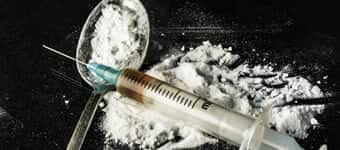
California's Health and Safety Code § 11352(a) criminalizes the transportation, sale, furnishing, administration, or giving away of specified controlled substances without authorization. This includes narcotics like cocaine, heroin, fentanyl, LSD, and certain opioids. For methamphetamine, it's § 11379(a), with similar provisions. Unlike simple possession (often a misdemeanor post-Proposition 47), transportation implies movement of the drug—by car, foot, or even bike—with intent to sell or distribute, making it a straight felony.
To convict, prosecutors must prove: (1) you transported a usable amount of a controlled substance, (2) you knew it was present and its illegal nature, and (3) the intent was for sale or distribution, not personal use. "Transportation" doesn't require crossing state lines; even short distances qualify if intent to sell is evident, like bagged drugs, scales, or cash bundles.
Proposition 47 (2014) reduced simple possession to misdemeanors but left transportation as felonies to target dealers. Now, with Proposition 36 passing in November 2024 and effective December 2024, penalties toughen for "hard drugs" like fentanyl, adding mandatory treatment-mandated felonies for repeats and enhancements for large quantities or involvement in trafficking rings. This 2025 shift reflects rising overdose deaths, making cases more aggressive in counties like Los Angeles and San Francisco.
These charges often stem from traffic stops, border checks, or tips, where evidence like text messages or passenger testimony infers intent. Understanding this distinction is key—personal use might drop to possession, but any sales hint escalates it.
Penalties for Transportation of a Controlled Substance in California
Convictions under HS § 11352 are felonies, with base sentences of 3, 4, or 5 years in state prison. Fines can reach $20,000, plus restitution and court costs. Enhancements amplify this:
- Large Quantities: Under HS § 11370.4, transporting over a kilogram adds 3-25 years, depending on weight (e.g., 3 years for 1kg cocaine, up to 25 for 80kg+).
- Priors: Repeat offenses or prior drug felonies add 3 years per conviction.
- Crossing Counties: Non-contiguous county transport adds 3-9 years.
- Fentanyl/Prop 36 Enhancements (2025): For fentanyl-laced drugs or repeats, mandatory minimums and treatment-mandated felonies apply, potentially pushing sentences to 9+ years.
- Other Aggravators: Armed possession (§ 11370.1) adds 2-4 years; involving minors doubles time.
Collateral damage includes license suspension, deportation risks for non-citizens, and barriers to jobs, housing, or custody rights. Under Prop 36, courts emphasize accountability, reducing leniency for dealers amid California's fentanyl epidemic.
Alternative Sentencing Options for Drug Transportation Charges
While transportation felonies limit diversions compared to possession, alternatives exist for first-timers or low-level cases, focusing on rehabilitation over incarceration.
- Felony Probation: Instead of prison, 3-5 years supervised probation with drug testing, counseling, and community service. Eligible if no violence or large amounts.
- Drug Courts: In counties like Orange or Riverside, specialized programs offer intensive treatment, job training, and monitoring. Completion can lead to reduced sentences or dismissals.
- Prop 36 Treatment-Mandated Felonies (2025): For qualifying drug offenses under new laws, courts mandate treatment; success avoids full prison time, but failure revokes probation.
- Deferred Entry of Judgment (Limited): Rarely for transportation, but if reclassified as possession, PC § 1000 allows plea, treatment, then dismissal.
Prop 36 expands treatment options but ties them to stricter accountability, varying by county resources. An attorney can negotiate these, especially if addiction is a factor.
Hypothetical Examples and Real-World Scenarios of the Crime
Hypothetical: You're driving from LA to San Diego with cocaine hidden in your car, planning to sell at a party. A CHP stop for speeding leads to a search revealing baggies and texts about deals—bam, HS 11352 charges with county-crossing enhancement.
Real-inspired: In a 2024 Bay Area case, a driver was pulled over with methamphetamine and scales; convicted under § 11379, he got 4 years, highlighting how paraphernalia infers intent. Another: A pedestrian in Fresno carrying fentanyl packets for delivery faces 5 years post-Prop 36, as short-distance transport still counts if for sale.
These illustrate how everyday actions escalate, often from unlawful searches or informant tips.
Powerful Defenses to Transportation Charges Under HS 11352
Beating these charges requires attacking the elements. The top defenses we utilize at the Law Offices of David Chesley include:
- Illegal Search and Seizure: Suppress evidence if no probable cause or warrant—common in traffic stops.
- No Intent to Sell: Argue personal use; lack of baggies, cash, or messages can reduce to misdemeanor possession.
- Entrapment: If undercover cops coerced the act, it's a full defense.
- Lack of Knowledge/Possession: Drugs weren't yours or you didn't know they were there (e.g., borrowed car).
- Duress or Necessity: Forced by threat or emergency.
Expert witnesses on drug amounts and intent can sway juries; we've used these to dismiss cases outright.