







 Payment Plans
Burglary of a Vehicle in California: PC 459 Laws, Penalties, Defenses, and 2025 Prop 36 Impacts
Envision cruising through the foggy streets of San Francisco, only to return to your parked car and find a shattered window, glove compartment rifled through, and valuables gone. Now imagine being on the other side—accused of vehicle burglary under California Penal Code § 459 for what might have been a momentary lapse or outright mistaken identity. In 2025, with Proposition 36 intensifying penalties for repeat theft offenses, including those tied to auto break-ins, a simple "smash-and-grab" allegation could escalate from a misdemeanor to a felony strike, derailing careers, families, and futures. At The Law Offices of David Chesley, California's largest criminal defense firm with over 50 years of combined expertise from former judges, prosecutors, and law enforcement, we've dismantled countless vehicle burglary cases, exposing flawed investigations, suppressing evidence, and securing dismissals or reductions for clients statewide. This in-depth guide explores the crime, penalties, defenses, real-world examples, alternative sentencing, FAQs, and more—optimized for searches like "vehicle burglary California penalties 2025" and "PC 459 auto burglary defense lawyer Los Angeles." If you're facing charges, empower yourself with knowledge; our team stands ready to fight for your rights.
Understanding Vehicle Burglary Under PC 459 in California
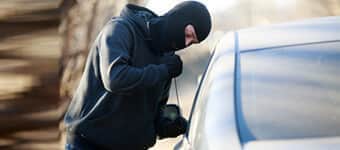
California Penal Code § 459 defines burglary broadly, including the unlawful entry into a locked vehicle with the intent to commit theft or any felony inside. Commonly known as "auto burglary" or "bipping," this crime doesn't require breaking glass—prying a door or using a slim jim counts as entry if the vehicle is locked. The intent must exist at the time of entry; you don't need to steal anything to be guilty.
Vehicle burglary is classified as second-degree burglary, a "wobbler" offense that prosecutors can charge as a misdemeanor or felony based on factors like your criminal history, the value stolen, and circumstances. Unlike first-degree (residential) burglary, it doesn't automatically count as a violent strike under the Three Strikes Law unless aggravated (e.g., with a weapon). However, if the burglary involves theft, it ties into broader theft laws under PC § 484.
In 2025, Senate Bill 905 (effective January 1, 2025) has strengthened laws around theft from vehicles, making it easier to prosecute "bipping" by expanding definitions and penalties for organized auto crimes. Additionally, Proposition 36, passed in November 2024, impacts vehicle burglary by allowing felony charges for theft-related offenses under $950 if you have two prior theft convictions, shifting focus to repeat offenders with mandatory treatment or incarceration. This reflects California's response to surging car break-ins in cities like San Francisco and Los Angeles, where "bipping" has become epidemic. Cases typically arise from surveillance footage, fingerprints, or witness reports, with digital evidence like GPS trackers playing a growing role.
Penalties for Vehicle Burglary in California (PC 459)
As a wobbler, penalties for vehicle burglary vary, but 2025 changes under Prop 36 and SB 905 have made them more severe for repeats.
- Misdemeanor: Up to 1 year in county jail, fines up to $1,000, informal probation (1-3 years), restitution to the victim, and community service.
- Felony: 16 months, 2, or 3 years in state prison, fines up to $10,000, formal probation, and potential strike if violent.
Enhancements include: +10 years if armed (PC § 12022), +1-4 years for organized crime under SB 905, or Prop 36 felony escalation for third theft-related offense (even under $950 stolen). Collateral consequences: A criminal record impairs employment (especially driving jobs), housing, professional licenses, and immigration—risking deportation for non-citizens. Juveniles face diversion or probation rather than jail.
Prop 36's focus on accountability means prosecutors in counties like Riverside are more likely to file felonies for habitual "bippers," with early 2025 data showing varied implementation across the state.
Alternative Sentencing Options for Vehicle Burglary Charges
Non-violent cases offer rehab over punishment, amplified by Prop 36's treatment mandates.
- Probation: Informal (misdemeanor) or formal (felony) for 1-5 years, including counseling, restitution, and no-contact orders.
- Diversion (PC § 1001.95): First-timers complete programs; charges dismissed upon success.
- Prop 36 Treatment-Mandated Felonies: For theft-linked repeats, rehab instead of prison; failure leads to incarceration.
- Community Service/Work Release: Alternatives to jail, common in urban counties.
Eligibility: No priors, remorse, addiction factors. Prop 36 expands treatment but strains resources.
Hypothetical Examples and Factual Scenarios Illustrating Vehicle Burglary
Hypothetical: You're in a Oakland parking lot, spot a backpack in a locked SUV, smash the window, and grab it—PC 459 felony if priors under Prop 36.
Another: A teen pries a car door in Bakersfield to steal change—no theft completed, but intent charges misdemeanor.
Real-inspired: In 2024 San Francisco "bipping" waves, gangs targeted tourist cars; 2025 Prop 36 escalates repeats to felonies. A LA case: DNA from a glove led to 2 years for a habitual offender. These show how quick acts lead to lasting charges.
Powerful Defenses to Vehicle Burglary Charges (PC 459)
At the Law Offices of David Chesley, we dismantle the prosecution:
- Lack of Intent: No plan to steal upon entry.
- Unlawful Search: Suppress evidence from invalid stops.
- Mistaken Identity: Alibi or wrong suspect.
- Intoxication/Entrapment: Negates intent or police setup.
- Vehicle Not Locked: No burglary if unlocked.
We've used these for acquittals amid Prop 36 scrutiny.