







 Payment Plans
Child Endangerment Charges in California: Expert Defense from The Law Offices of David Chesley
Facing child endangerment charges under California Penal Code 273a can feel like your world is crumbling. Accusations of putting a child at risk—whether through negligence, an accident, or a misunderstanding—can threaten your freedom, family, and future. At The Law Offices of David Chesley, we specialize in defending individuals against these serious allegations, helping clients across California secure dismissals, reduced charges, or favorable outcomes. With years of experience in criminal defense, we've seen how these cases often arise from overzealous reporting or lack of context. This in-depth guide is tailored for those charged with child endangerment in California, offering clear explanations of the law, penalties, defenses, and more. If you're searching for a "child endangerment lawyer in California," "PC 273a defense," or "child endangerment penalties CA," read on to empower yourself. Contact us for a free consultation—we're here to fight for you.
Understanding Child Endangerment Laws in California
Child endangerment in California is a broad offense that doesn't always require physical harm to a child. Under Penal Code 273a PC, it's illegal to willfully cause or permit a child under 18 to suffer unjustifiable physical pain, mental suffering, or to place them in a situation where their health or safety is endangered. This law protects minors from harm, but it can lead to charges in everyday scenarios misinterpreted as reckless.
The statute has two main subsections:
Penal Code 273a(a): Endangerment Likely to Cause Great Bodily Harm or Death
This felony-level provision applies when the circumstances are severe enough to risk serious injury or death. Prosecutors must prove:
- You willfully caused or allowed the child to suffer or be endangered.
- The situation involved criminal negligence (a reckless disregard for safety that a reasonable person would avoid).
- The risk was likely to produce great bodily harm or death.
Examples include driving under the influence with a child in the car or exposing a child to extreme environmental dangers. "Willfully" doesn't mean you intended harm—it means you knowingly acted in a way that created the risk.
Penal Code 273a(b): Lesser Endangerment
This misdemeanor version covers situations where the child's health or safety is at risk, but not necessarily great bodily harm. Elements are similar but without the high-risk threshold. For instance, leaving a child unsupervised in a mildly hazardous environment could qualify.
Child endangerment is a "wobbler" offense, meaning prosecutors can charge it as a misdemeanor or felony based on factors like the severity of the risk, your criminal history, and any aggravating circumstances. Related laws include child abuse (PC 273d) for actual injury and child neglect (PC 270) for failing to provide necessities. Mandatory reporting under Penal Code 11165 requires professionals like teachers and doctors to report suspicions, often triggering Child Protective Services (CPS) investigations—even if unfounded.
Penalties for Child Endangerment Charges in California
Penalties hinge on whether it's charged as a misdemeanor or felony, the subsection, and enhancements. A conviction can also lead to loss of parental rights, protective orders, and professional fallout, especially in child-related fields.
For Penal Code 273a(b) (Misdemeanor Endangerment)
- Up to 1 year in county jail.
- Fines up to $1,000.
- Probation, counseling, or parenting classes.
For Penal Code 273a(a) (High-Risk Endangerment)
- Misdemeanor: Up to 1 year in jail and/or fines up to $10,000.
- Felony: 2, 4, or 6 years in state prison and/or fines up to $10,000.
- If the child suffers great bodily injury, add 3 to 6 years; if death occurs, up to 4 additional years.
Felony convictions count as a "strike" under California's Three Strikes Law if great bodily injury is involved, potentially leading to 25 years to life for future felonies. Non-citizens may face deportation, and all convictions can impact gun ownership and employment. In 2025, with rising awareness of child welfare, courts are scrutinizing these cases more closely, but skilled negotiation can often reduce penalties.
Alternative Sentences and Diversion Programs
California emphasizes rehabilitation, especially for first-time offenders or those with mitigating factors. Alternatives can avoid jail and help expunge your record. At The Law Offices of David Chesley, we aggressively pursue these options.
- Probation: Instead of prison, you may receive 3-5 years of formal probation, including:
- A 52-week child abuser's treatment program (PC 273.1) with counseling on parenting and anger management.
- Protective orders limiting contact with the child.
- Community service, restitution, or substance abuse treatment if drugs/alcohol were involved.
- Successful completion allows for expungement under PC 1203.4.
- Diversion Programs: These pretrial options dismiss charges upon completion:
- Mental Health Diversion (PC 1001.36): If the endangerment stemmed from untreated mental health issues like anxiety or bipolar disorder, enter a treatment plan for up to 2 years.
- Parental Diversion (PC 1001.70): For parents, this involves parenting classes, counseling, and supervision; ideal for minor offenses.
- Drug Diversion (PC 1000 or Prop 36): If substance abuse contributed, complete rehab for dismissal.
- Informal diversion through prosecutors for low-level cases, often including community-based programs.
These programs reduce recidivism and preserve family units, but eligibility depends on your case details. We evaluate your situation to maximize chances.
Hypothetical Examples of Child Endangerment Charges
To make this relatable, here are hypothetical scenarios based on common California cases (not legal advice—consult an attorney for specifics):
- DUI with Child Passenger (PC 273a(a)): A mother drives home after a few drinks with her 7-year-old in the backseat. She's pulled over for swerving. Even without an accident, the risk of great bodily harm leads to felony charges. Defense: Challenge sobriety evidence or prove no criminal negligence.
- Leaving Child in Hot Car (PC 273a(a)): A father forgets his toddler in a locked car on a warm day while shopping. The child is rescued unharmed, but the potential for heatstroke results in high-risk endangerment charges. Defense: Argue it was an accident, not willful.
- Unsecured Firearm (PC 273a(b)): Parents leave a loaded gun on a nightstand accessible to their curious 10-year-old. A neighbor reports it; misdemeanor charges follow for the risk, even without incident. Defense: Lack of knowledge or no real danger.
- Unsupervised Child in Hazardous Home (PC 273a(b)): A caregiver leaves a 5-year-old alone in a home with open cleaning chemicals and sharp objects for hours. No harm, but the setup endangers safety, leading to charges. Defense: Reasonable supervision based on child's maturity.
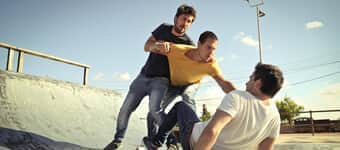
- Exposure to Domestic Violence (PC 273a(a)): During a heated argument, a parent allows their child to witness physical fights, causing mental suffering and risk of escalation. Felony if great harm is likely. Defense: No willfulness or false reporting.
These illustrate how ordinary lapses can escalate—emphasizing the need for immediate legal help.
Common Defenses to Child Endangerment Charges in California
You have rights, and a strong defense can lead to acquittal or dismissal. Our firm investigates thoroughly to uncover weaknesses in the prosecution's case.
- Lack of Willfulness or Criminal Negligence: If the act was accidental or not reckless (e.g., a one-time oversight), no crime occurred.
- False Accusations: Common in custody disputes; we expose motives, inconsistencies, or fabricated evidence.
- Reasonable Parental Discipline or Supervision: Actions like leaving an older child alone briefly may not qualify as endangerment.
- Insufficient Evidence: Challenge CPS reports, witness credibility, or lack of proof of risk.
- Someone Else Responsible: Prove another party caused the danger.
- Constitutional Violations: Suppress evidence from illegal searches or Miranda rights breaches.
- Alibi or Mistaken Identity: Demonstrate you weren't involved.
Expert witnesses, such as child psychologists or medical professionals, can testify to minimize perceived risks.
Statistics on Child Endangerment Cases in California
Context matters: In 2024, California had over 382,000 child abuse and neglect referrals, with approximately 50,869 substantiated victims, many involving endangerment allegations. By 2025 estimates, referrals may rise due to heightened reporting post-pandemic, but false or unsubstantiated claims make up 60-70% in some studies. Urban areas like Los Angeles see the highest caseloads, with CPS involved in nearly 50% of investigations. These numbers highlight overreporting, underscoring why robust defenses are crucial.